When Distraction Fails: Thailand’s Armed Aggression and the Collapse of Legal Credibility
 When Distraction Fails: Thailand’s Armed Aggression and the Collapse of Legal Credibility
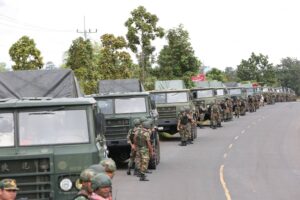
The Thai military continues its armed aggression against Cambodian territory under a succession of shifting pretexts, each designed to obscure a fundamental truth: Thailand has violated the sovereignty of a neighbouring state through the use of force. These actions are not isolated incidents or misunderstandings on a volatile frontier. They form a pattern of conduct that directly contravenes international law and exposes a troubling disregard for humanitarian norms.
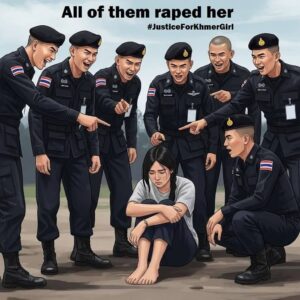
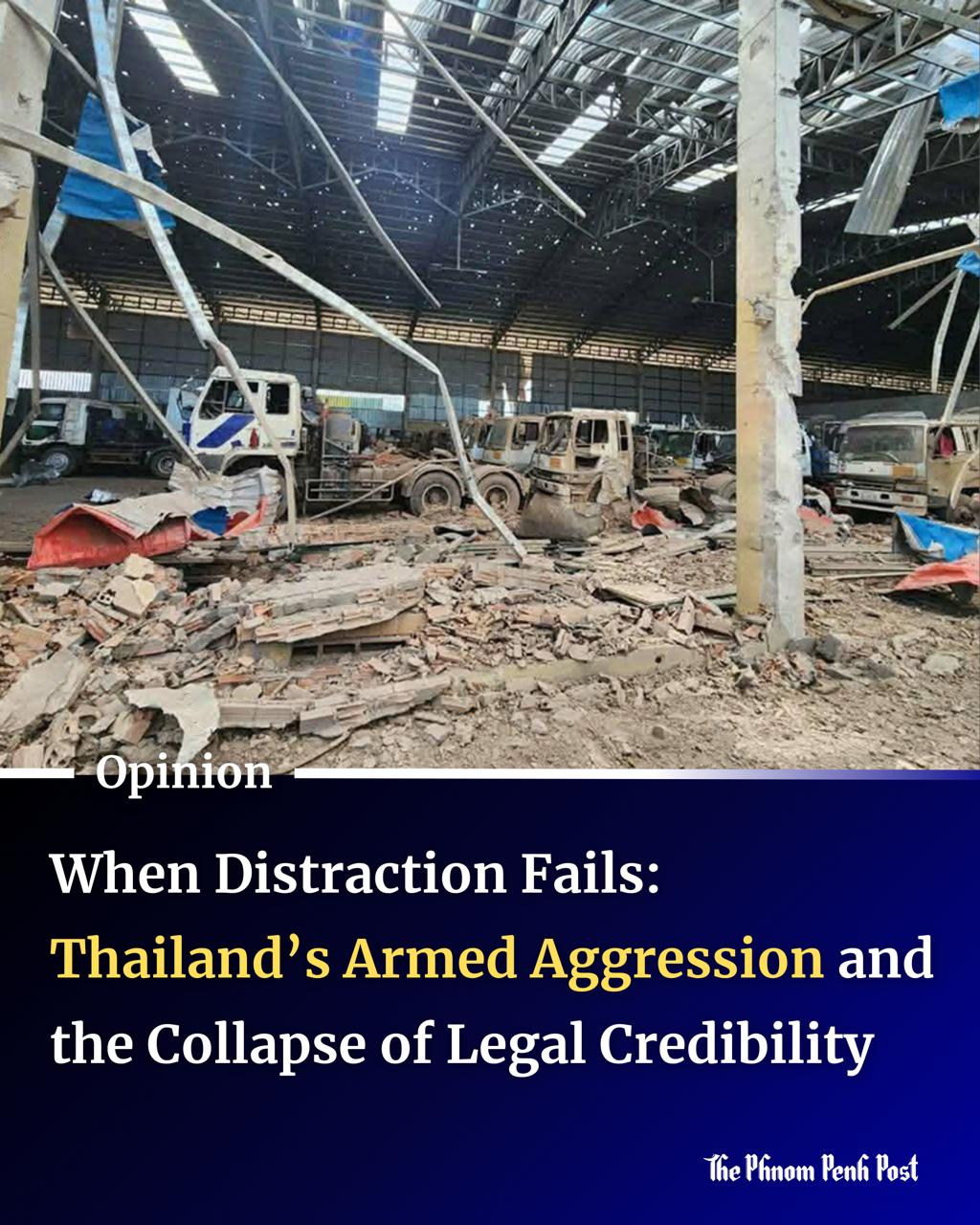
Thailand’s aggression has not been limited to military engagements with the Cambodian armed forces. Far more alarming is the deliberate targeting of civilians and civilian infrastructure. Homes, villages, displacement areas and essential infrastructure have come under attack, creating fear, displacement, and suffering among innocent people who have no role in the conflict. Such actions place Thailand in clear violation of international humanitarian law, which explicitly requires the protection of civilians and civilian objects during armed conflict.
Faced with mounting international scrutiny, Thailand has attempted to redirect global attention toward unrelated issues. This strategy of distraction — shifting narratives, reframing the conflict or invoking secondary concerns — has failed. The reason is simple: violations of international law cannot be concealed by rhetorical manoeuvring. When civilians are harmed and sovereign territory is breached, the facts speak louder than any public relations effort.
Under the UN Charter, the use of force against another state’s territorial integrity is prohibited except in the narrowest circumstances of self-defence. Cambodia has consistently affirmed its commitment to peaceful resolution, dialogue and international mechanisms. Thailand’s actions, by contrast, reflect escalation rather than restraint. No amount of narrative reframing can reconcile airstrikes, cross-border attacks or the destruction of civilian infrastructure with the principles of necessity and proportionality required under international law.
Equally serious is Thailand’s failure to uphold the core obligations of international humanitarian law. The distinction between combatants and civilians is not optional; it is a foundational rule. Attacks that fail to distinguish between military targets and civilian life undermine the very framework designed to limit suffering in times of conflict. When civilian areas are struck, claims of restraint lose credibility and assertions of lawful conduct collapse under legal scrutiny.
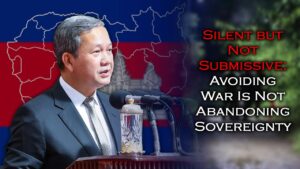
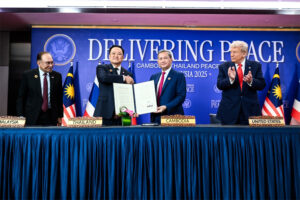
Cambodia’s position is clear and consistent: it is acting in self-defence to protect its people and its territorial integrity, while continuing to call for a ceasefire, dialogue and international engagement. Cambodia has sought solutions through diplomacy, regional mechanisms, and engagement with major international partners. Thailand’s continued military actions only weaken its own standing and erode trust among neighbours and the wider international community.
History shows that attempts to distract the world from unlawful conduct rarely succeed. In an era of real-time reporting, satellite imagery and international legal accountability, violations cannot be hidden behind alternative narratives. The gravity of attacking civilians and civilian infrastructure ensures that attention will remain fixed on the core issue: respect for international law.
If Thailand seeks credibility, stability and peace, it must abandon aggression, cease attacks on civilians and return to diplomacy without preconditions. The international community, for its part, must not allow distraction to dilute accountability. Sovereignty, civilian protection and the rule of law are not negotiable — and no amount of narrative diversion can change that reality.
Roth Santepheap is a geopolitical analyst based in Phnom Penh. The views and opinions expressed are his own.