
Thailand’s Attacks on Civilians in Cambodia Are Not “Border Incidents” — They Are Crimes Against Humanity
 Thailand’s Attacks on Civilians in Cambodia Are Not “Border Incidents” — They Are Crimes Against Humanity
Thailand’s continued military actions against Cambodia can no longer be dismissed as accidental border clashes or defensive maneuvers.
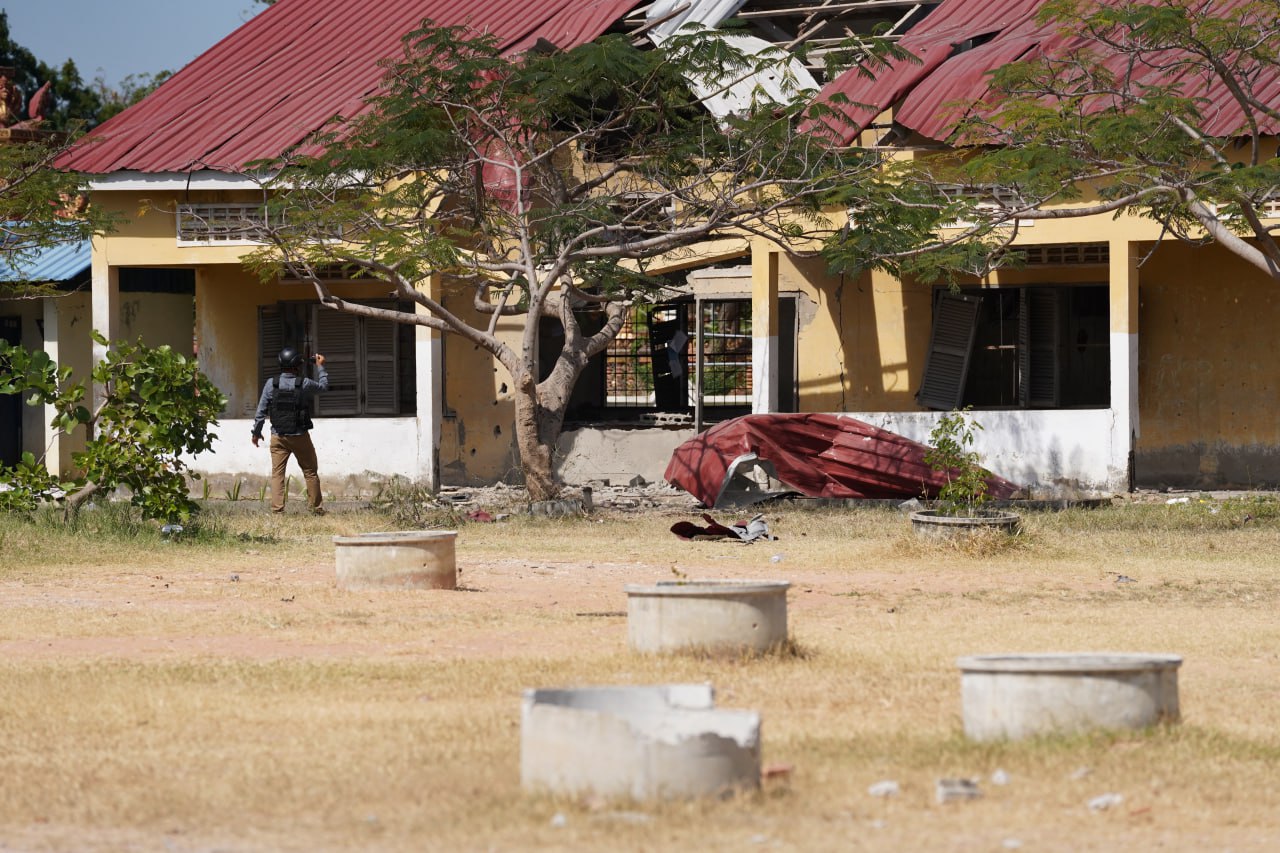
Despite repeated claims by Thai authorities that their military operations are limited and precise, evidence on the ground tells a very different story. Cambodian villages, schools, displacement sites, and other civilian areas have been struck. Civilians — including women and children — have been killed, injured, and forced to flee their homes. Civilian infrastructure essential for survival, such as schools and shelters, has been damaged or destroyed. These are not military targets. Under international law, they are protected.
The Geneva Conventions and customary international humanitarian law clearly prohibit attacks on civilians and civilian objects. Even during armed conflict, all parties are legally bound to respect the principles of distinction, proportionality, and necessity. Thailand’s actions repeatedly violate these principles. When a military knowingly attacks civilian populations or infrastructure, or shows reckless disregard for civilian life, such conduct is not a mistake — it is a crime.
Thailand’s attempt to reframe its actions as internal security operations or border enforcement does not withstand scrutiny. Sovereignty cannot be violated under the pretext of “security,” and civilians cannot be treated as collateral damage under any justification. Cambodia has the right, under Article 51 of the UN Charter, to defend itself against armed aggression. Self-defense, however, is fundamentally different from aggression. Cambodia’s response has been defensive, while Thailand’s actions have been offensive, escalatory, and unlawful.
More troubling is the apparent effort to distract international attention by shifting narratives and introducing unrelated accusations to obscure the core issue: Thailand’s military is attacking civilians inside Cambodian territory. This strategy does not erase responsibility. International law does not operate on public relations tactics; it operates on facts, conduct, and accountability.
Crimes against humanity are defined not only by scale but by pattern. When attacks against civilians are widespread or systematic, when displacement becomes mass and intentional, and when civilian suffering is tolerated or ignored by military command, the threshold is crossed. Cambodia is witnessing exactly such a pattern.
The international community must not remain silent. Silence emboldens impunity. Regional stability in Southeast Asia depends on respect for sovereignty, restraint, and the rule of law. Allowing one state to violate these principles without consequence sets a dangerous precedent for the entire region.
Cambodia does not ask for sympathy; it demands justice. Justice for the civilians whose lives have been shattered. Justice for a nation whose sovereignty has been violated. And justice under international law, which exists precisely to protect innocent people from the horrors of unlawful war.
The world must call these actions by their true name — not “border tensions,” not “security operations,” but crimes against humanity. And Thailand must be held accountable.
Roth Santepheap is a geopolitical analyst based in Phnom Penh. The views expressed are his own.